‘Every saint has a past and every sinner has a future.’ – Oscar Wilde
.
Reputations — good and bad — are a topic we discuss here at thePaepae.com from time to time. I’m interested in hearing what you think about it (…if anything).
Newspapers used to turn into fish and chip paper or crumble to dust... what do old blogs do?
Watching the chickens coming home to roost on some of the spruikers who grace these pages from time to time, I can’t help but be struck by the natural consequences (‘just desserts’?) of a ‘bad’ track record or reputation. We each gain the reputation we deserve, eventually.
‘Reputation is built up over time. It can be built up negatively and positively’ said researcher Danah Boyd in response to Google’s Eric Schmidt’s (half-serious?) suggestion that changing your name would be the only way to distance yourself from your past.
“I don’t believe society understands what happens when everything is available, knowable and recorded by everyone all the time,” Schmidt said.
While it can seem harsh seeing the hate campaigns that kick in sometimes against the public face of fallen businesses like failed finance companies, there is an element of ‘enforcing norms’ — and a deserved loss of reputation is part of that process.
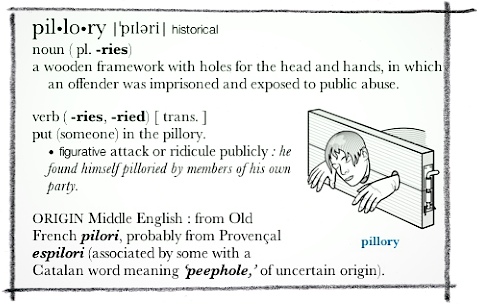
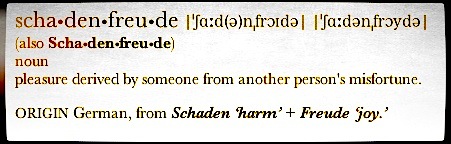
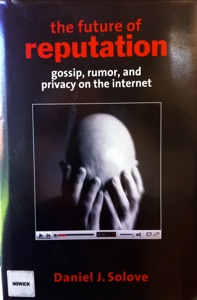
I’ve just finished reading Daniel Solove’s book The Future of Reputation, which in part examines what he described as ‘the death and rebirth of shaming punishments’ — ‘internet shaming‘. Solove offers the thought that the internet is, in some ways, the modern equivalent of ye olde village stocks — where wrongdoers and those who breached society’s norms found themselves labelled, mocked, chastised and pilloried for their sins/actions against the community. (The very word pillory coming from the equipment used).

(New Oxford American Dictionary)
After discussing the erosion of privacy and spelling out the ‘virtues’ of internet shaming, Solove points to what he describes as a ‘vice’ — permanent branding effects:
Internet shaming creates an indelible blemish on a person’s identity. Being shamed in cyberspace is akin to being marked for life. … People acquire permanent digital baggage. They are unable to escape their past, which is forever etched into Google’s memory.
Well, hang on. That lines up with Schmidt, but seems a little dramatic. I discussed in my post Giving scumbags a second chance how sometimes the reputational damage to crooks and ratbags can actually be incomplete and short-lived — sometimes even suppressed, thus giving them the chance to, goddammit, learn the wrong ‘lessons’ from their mistakes, increase their crooked competence and get a second, more-refined, chance to ruin people’s lives. Sometimes they move to a new location to achieve that.
I personally try to steer clear of abuse and ‘condemnation’ of others. (Yeah, OK… ‘scumbag’. You got me.) I try to focus on their actions and claims, not their soul. There’s a distinction Solove discusses between ‘You have committed a bad act’ and ‘You are a defective type of person’. And I eschew invasions of privacy.
I am, however, when necessary, willing to name names. I do, and I will raise concerns, or pass comment (harshly where necessary) on ludicrous marketing claims or what I see as misleading behaviour by spruikers and others — actions which sometimes fall into the just-how-stupid-do-you-think-we-are? category. Liars earn our disrespect, I think. Is that internet shaming? Yeah? Well, OK.
Sadly, the adage: ‘There’s a sucker born every minute’ is surprisingly apt, a lot of the time.
I remember years ago watching Parkinson interview former journalist and late-in-life Christian convert Malcolm Muggeridge on TV. Muggeridge explained how he had, for years, taken comfort from the fact that lies printed in newspapers were crumbling to dust as the old newsprint disintegrated in basements and libraries — quietly implying he was responsible for some of those lies…
Continue reading →