Comments Off on Obviously the start of a ‘We [fill-in-the-space]ed some folks’ meme
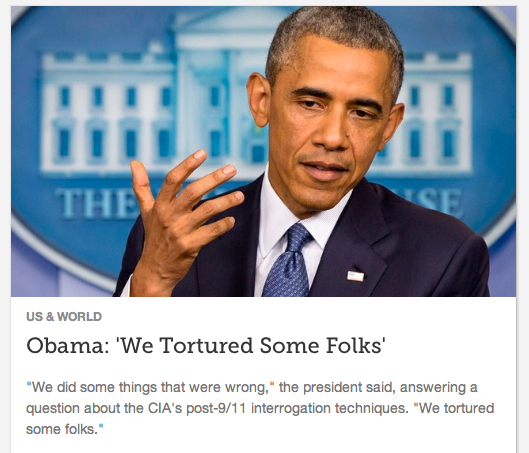
How the admission was covered at Mashable (click)
During an otherwise sleepy news conference about immigration and the economy, the president answered a question about the impending release of a Senate report that criticizes the CIA’s treatment of detainees after 9/11. “We did some things that were wrong,” Obama said. “We tortured some folks. We crossed the line and that needs to be understood.”
Obama said he believed the mistreatment happened because national security officials felt pressure to forestall another attack. He said Americans should not be too “sanctimonious” about passing judgment through the lens of a seemingly safer present day.
How long before we hear: “We spied on some folks” ?
Comments Off on Look Up: a poem to make you think about ‘social’ media
‘Look Up’ is a lesson taught to us through a love story, in a world where we continue to find ways to make it easier for us to connect with one another, but always results in us spending more time alone. — Written, Performed & Directed by Gary Turk.
Comments Off on An (extra) step in the right direction: Apple extending two-factor authentication to iCloud.com log-in
A while back, I enabled two-factor authentication to a number of my accounts following Mat Honan’s terrible hacking story.*
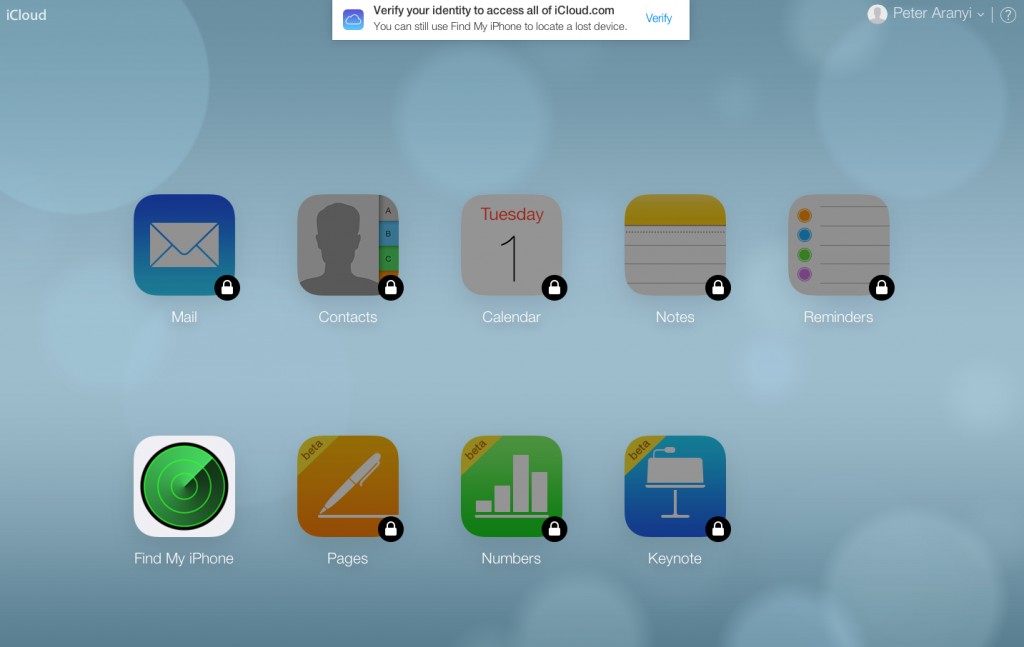
This morning I noticed that, without any fanfare, Apple has extended that preference to the iCloud.com website portal …
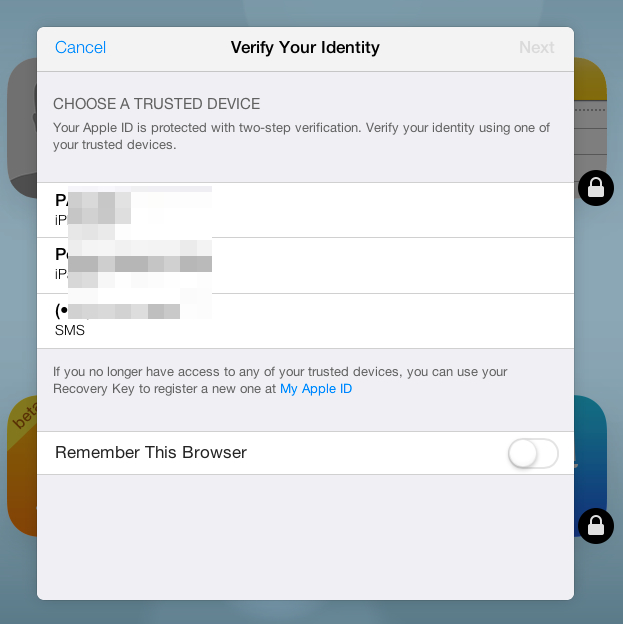
… so that to log in to iCloud, I need to have one of my ‘trusted devices’. (Well, given the Snowden/NSA revelations, ‘trusted device’ is a relative term now, surely?)
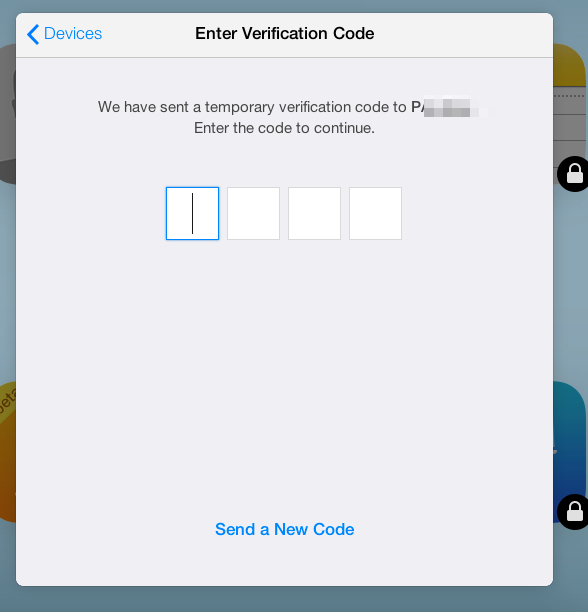
Apple sends a four-digit verification code which is entered and voila!
Anyway, that’s a good step.
I highly recommend you enable two-factor authentication on your key accounts. It’s a small inconvenience with a huge potential pay-off in terms of security.
[McAfeee] attributed the trend to Adobe’s greater popularity in mobile devices and non-Microsoft environments, coupled with the ongoing widespread use of PDF document files to convey malware.
Mia left the old nurse to her magazine and finished her rounds. There were nine children on the floor with five rooms empty. It would be an easy, quiet night she decided, and perfect for her purpose. Of all the children but Lester F were recovering from chemotherapy. Two were to go home in the morning and the others to remain another three or four nights, depending on their conditions. All were stable, and all rested easily on low doses of morphine or oxycodone.
Mia slipped back into Lester’s room and turned the cock to CLOSE on her drip bag of painkillers. Continue reading →
Comments Off on Listen to the spy movie soundtrack on this ad for the VYSK smartphone case
Making a buck out of people’s paranoia/rational fear of cyber warfare and espionage … and these (apparently) terribly insecure devices many of us carry with us everywhere.
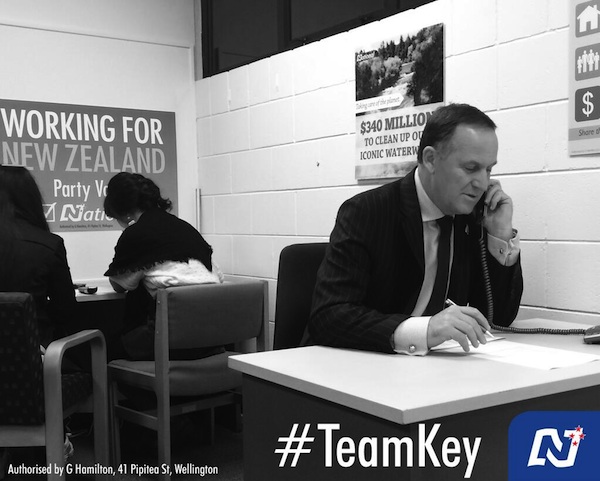
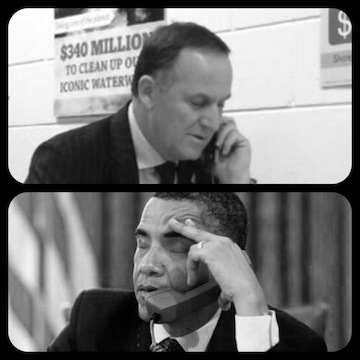
I spotted this National Party campaign ad yesterday thanks to @jamileeross who tweeted it into my timeline. Hmm, I thought, monochrome, concrete block bunker, working the phones. Looks like they’re going for a 1960s Kennedy campaign vibe.
Early in the second part of PBS’s (highly recommended) ‘United States of Secrets‘ documentaries, The Guardian‘s reporter Ewan Macaskill recalled Edward Snowden’s reaction in his Hong Kong hotel to a simple question: Do you mind if I record our interview on my iPhone?:
Ewan Macaskill — excerpt from PBS ‘United States of Secrets’ part 2 MP3 file
I’ve referred before to my uneasiness about what a sufficiently-motivated (I hope) security agency or other entity is able to learn about, say, me (or you!) though our smartphone or internet connection — the bulk surveillance nightmare that Edward Snowden revealed a year ago.
When my iPhone connected to the network, suddenly a torrent of data began flowing over the line. Porcello was monitoring my traffic in his office across the country in Vermont.
“Oh, jeez,” he said. “You are not opening apps or anything?”
The iPhone was just sitting on my desk — I wasn’t touching it. We watched as my iPhone pinged servers all over the world.
“It’s just thousands and thousands of pages of stuff,” Porcello said.
My iPhone sent Yahoo my location data as unencrypted text. The phone connected to NPR for email. It pinged Apple, then Google. There was a cascade of bits.
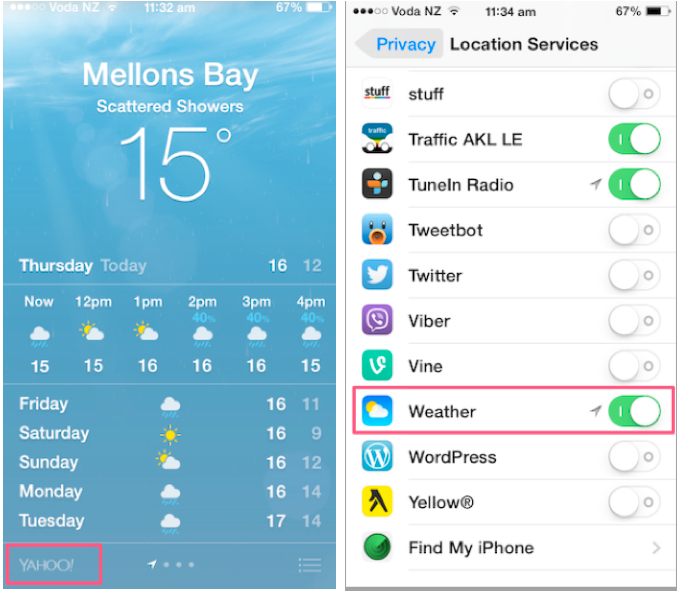
Oh dear. Yes, I use the built-in weather app … with its little YAHOO! symbol at the bottom … and yes, I gave that app permission to use Location Services (along with only a few other apps).
But it didn’t occur to me that it would be routinely telling Yahoo where I am located — and transmitting that data unencrypted — even when I’m not actually checking the weather. Data like that is sooo hackable, as Yahoo mail demonstrated recently. Ger-rump!
Oh, you blabbermouth Yahoo!
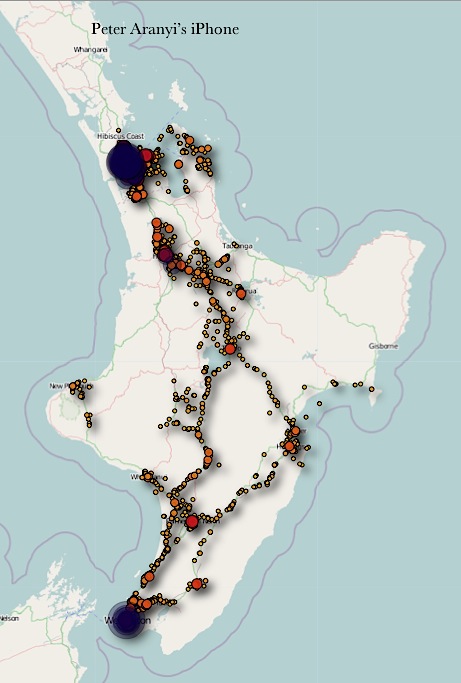
Before Edward Snowden’s revelations about bulk surveillance and storage, I was quite relaxed about location services, as you can see in 2011’s Despite that, your honour, I wasn’t ACTUALLY there where I (naively?) reproduced this …
Oh dear. Now everyone can see how much time I spend at Simon Lusk’s place.
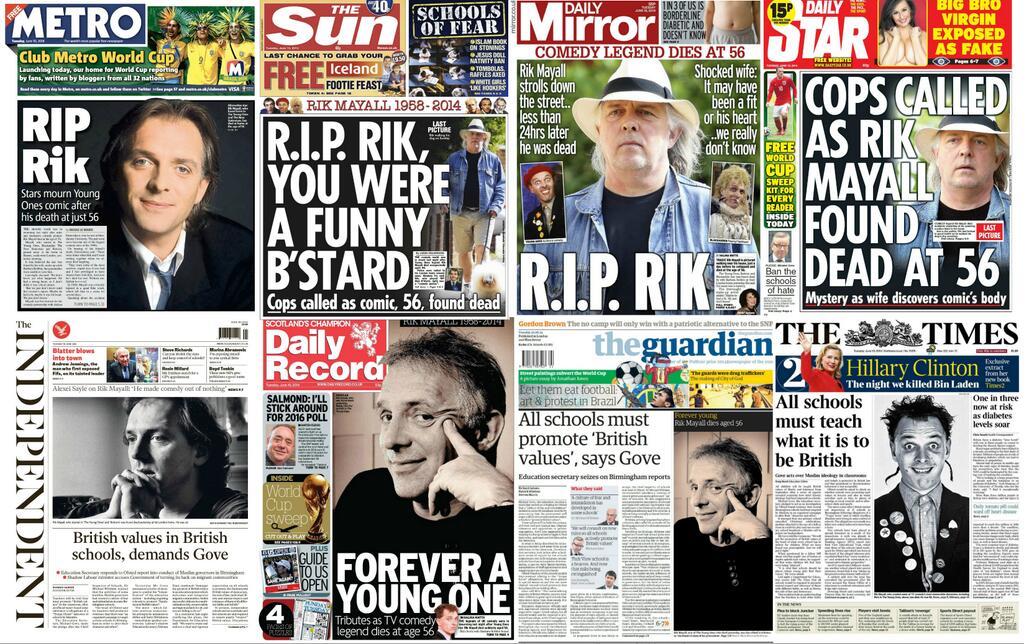
A sad farewell to a comedic genius. Rik Mayall has died unexpectedly at 56.
His fans will celebrate the groundbreaking The Young Ones and remember with relish his scene-stealing and virile Lord Flashheart (woof!) in Blackadder — as I do — and these were great.
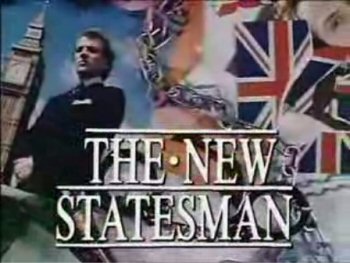
But for me, I will always remember his Alan B’Stard, beautifully described in the first episode of The New Statesman (below) as ‘a Thatcherite toy-boy’. To glimpse such deep cynicism in a politician was, yes, funny, but also oh-so-pointed.
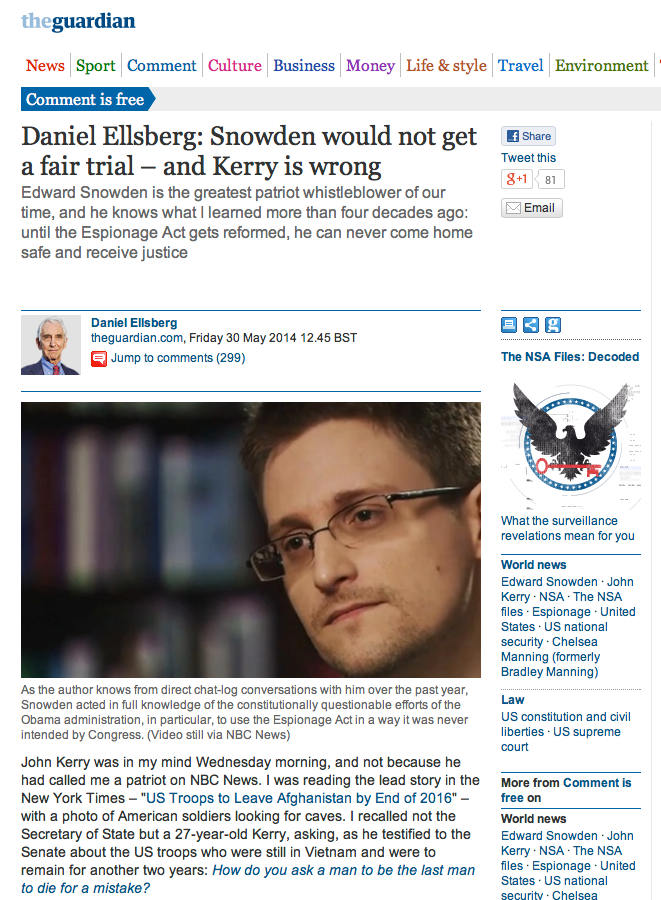
As I know from my own case, even Snowden’s own testimony on the stand would be gagged by government objections and the (arguably unconstitutional) nature of his charges. That was my own experience in court, as the first American to be prosecuted under the Espionage Act – or any other statute – for giving information to the American people.
I had looked forward to offering a fuller account in my trial than I had given previously to any journalist – any Glenn Greenwald or Brian Williams of my time – as to the considerations that led me to copy and distribute thousands of pages of top-secret documents. I had saved many details until I could present them on the stand, under oath, just as a young John Kerry had delivered his strongest lines in sworn testimony.
But when I finally heard my lawyer ask the prearranged question in direct examination – Why did you copy the Pentagon Papers? – I was silenced before I could begin to answer. The government prosecutor objected – irrelevant – and the judge sustained. My lawyer, exasperated, said he “had never heard of a case where a defendant was not permitted to tell the jury why he did what he did.” The judge responded: well, you’re hearing one now.
And so it has been with every subsequent whistleblower under indictment, and so it would be if Edward Snowden was on trial in an American courtroom now.